Interventions on track to improve Milnerton Lagoon’s water quality
05 September 2024
Significant strides are being made to improve the water quality and environmental health of the Milnerton Lagoon. During a recent quarterly stakeholder engagement meeting, City officials provided updates on key infrastructure projects, ongoing maintenance efforts and future plans, including dredging options. This reflects the City’s commitment to sustainable water management.
These are the key updates shared during the public meeting, which collectively help contribute to improving the water quality of the Milnerton Lagoon:
- Current maintenance operations at the Koeberg Pump Station (PS) include weekly manual screen cleaning to remove debris, and daily checks to ensure the pumps are working efficiently. Constant maintenance of wet well levels ensures that all pumps, including a Pioneer pump, are fully operational.
Upgrades at Koeberg PS have included constructing manual screens, replacing defective valves and installing a new alarm system. A fifth mobile pump has also been deployed to enhance operations. The City also recently acquired four new pump impellers and pumps.
Looking ahead, long-term interventions at Koeberg PS involve constructing a new pump station to deliver a pump rate of 1 630 litres per second along with a new emergency overflow storage pond designed to accommodate up to four hours of emergency storage of sewage. Two new parallel rising mains, measuring 900mm, will replace the existing fibre cement rising mains.
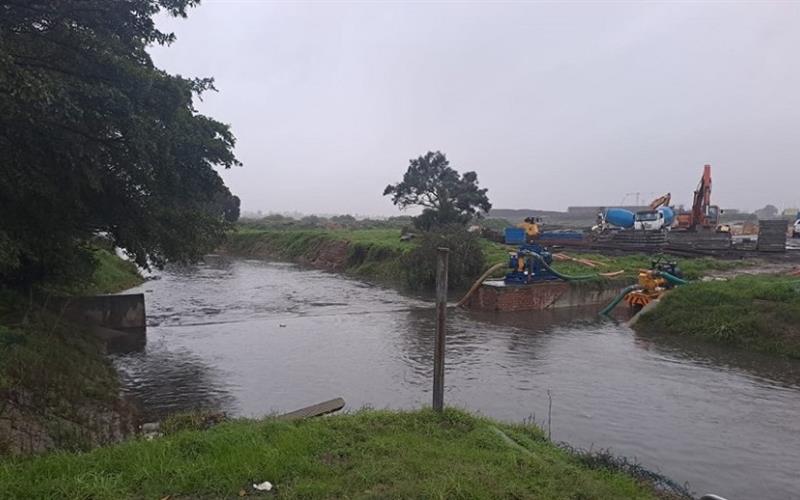
- Ryan's Pond is maintained to receive spills, effectively preventing contamination of the Diep River and Milnerton Lagoon. Two permanently placed mobile pumps are facilitating this process, significantly reducing the impact of environmental pollution.
- Water Demand Management investigations in Joe Slovo and Phoenix Park revealed discrepancies between water demand and sewage flow rates. Interventions, including valve checks, repairs and zero-pressure tests, have led to stable water pressure in Joe Slovo. By reducing the water pressure, water leaks in the Joe Slovo area are also reduced, which in turn reduces the amount of contaminated storm water needing to be diverted to pump stations.
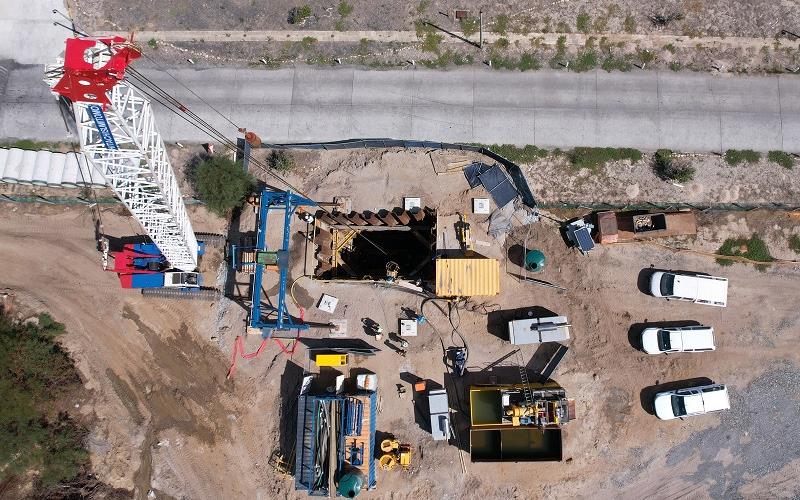
- The Montague Drive bulk sewer upgrade is currently 50% complete for Phase 1, with several components at various stages of progress. The new sand trap and screening facility is 30% complete, while over 4km of micro-tunneling is nearing completion. Phase 2 is in the design stage, with construction planned from August 2025 to December 2026.
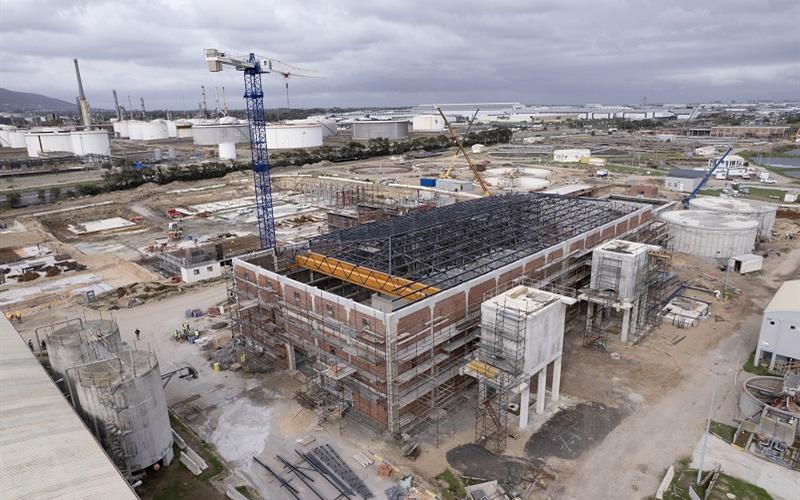
- Solid materials entering the Potsdam Wastewater Treatment Works (WWTW) have impacted processes and overall efficiency at the plant. More than 30 000 cubic meters of solids, grit, sand and other inorganic materials were removed from various Primary Settling Tanks (PSTs), requiring extensive equipment and process control. It takes about eight weeks to clean one PST, and repairs to internal components, such as weir plates and bottom bearings, are necessary to improve effluent parameters.
Several future plans are in place to ensure that the effluent quality improves.
Potsdam WWTW upgrades started in April 2023 and include both mechanical/electrical and civil project components, with construction well under way. The construction phase includes ultrafiltration works, dewatering and the rehabilitation of old sludge storage ponds, along with new dewatering, ultrafiltration building, raw sewage inlet works and a Membrane Bioreactor.
- The City has evaluated several different dredging options to address the sediment and organic matter build-up in the lower Milnerton Lagoon. Various methods were assessed based on effectiveness, cost, social and environmental impact of the dredging and minimising waste to landfill. Following this detailed review, the City has decided to proceed with a dredging plan that will dredge a key channel and remove the organic materials from the sand via cyclone technology, which will result in clean sand being returned to the lagoon and 600 cubic metres of organics and sediment being disposed of. The project is expected to cost around R70 million and last 11 months, but will first require an environmental authorisation.
 'The City is fully committed to restoring the health and quality of Milnerton Lagoon, as demonstrated by our comprehensive investments and improvements in and around the area. Our short-term interventions are already addressing certain aspects of urban pollution, while our long-term strategies will ensure continued improvements in the lagoon's water quality. While these measures are being implemented, we also rely on the community's cooperation to help keep pollution out of our waterways,' said Councillor Zahid Badroodien, Mayoral Committee Member for Water and Sanitation.
End
Published by:
City of Cape Town, Media Office